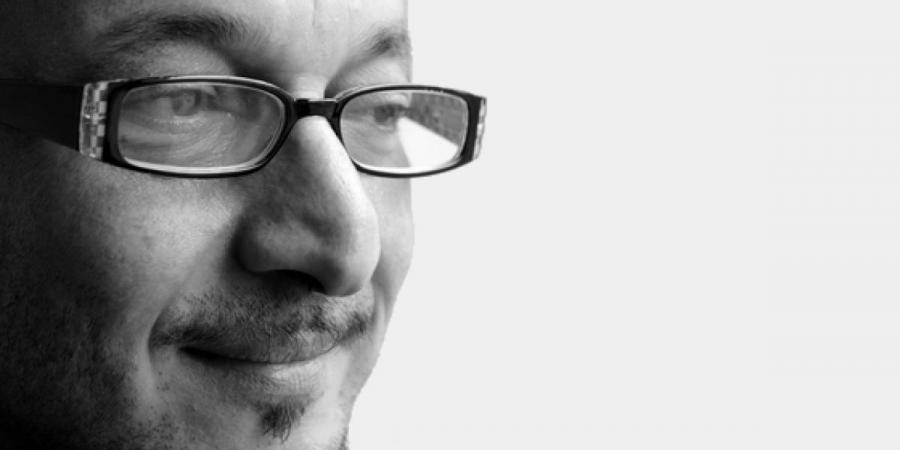
Jan Horváth Döme trained as a machine fitter and began working at the Vítkovice Ironworks. After 1990, he became actively involved in the Romani emancipation movement. From 1990 to 1992, he was a member of the Municipal Council in Bílovec, and from 1990 to 1991, he was the chief secretary of the Romani Civic Initiative (ROI) in Prague. He graduated from a secondary school for librarians and from 1994 worked as a documentarian at the Museum of Romani Culture in Brno. In 1998, he became a Romani advisor and social worker for the Brno City Council, a Romani teaching assistant at a school in Ostrava, and coordinator of the NROS Dživas jekhetane program. He taught Romani at a Business Academy, Secondary Technical School, and Secondary Vocational School in Most, as well as in extracurricular clubs at low-threshold facilities and community centres in the Ústí nad Labem Region. Before retiring in 2019, he worked as a social services worker for the Most Regional Charity from 2009. At the low-threshold club in Janov, he taught Romani children the Romani language and about Romani traditions and history.
He began writing in the late 1980s, when together with Milena Hübschmannová, he started the preparations for a Romani magazine. He then worked as editor-in-chief and editor of the Romani magazine Lačho, later Amaro lav and the paper Romano kurko, to which he also contributed his poems and prose. He was a long-time editor of the Romani newspaper Romano hangos and contributed to the Roma-studies journal Romano džaniben. He had his own blog on the iDNES.cz server, sharing his opinions, observations, and recollections of family and friends with readers. In 2018, he participated in the conception of the exhibition 100 Years: The Roma in Czechoslovakia, organised by the Museum of Romani Revival. He translated Emil Ščuka's three-volume memoir Cikánský baron jsem já (I Am the Gypsy Baron, Vaclav Havel Library, 2019) into Romani. In 1990, he debuted with two poems, “Kaľi ruži” / “Black Rose” and “Soske” / “Why”, in the anthology of Romani writers Kale ruži / Black Roses (Regional Cultural Center in Hradec Králové 1990). He also contributed his verses to the Romani reader Amari abeceda (Fortuna 1998). In 1998, he and his wife Flora compiled a cookbook of Romani dishes based on original recipes from eastern and western Slovakia and Moravia, Chaben andal romaňi kuchiňa / Recipes of Romani Cuisine. In 1997, his poem about the Holocaust was awarded at the Amico Rom World Romani Festival in Lanciano in Italy. He has published two separate collections of poetry, Tumenge / Vám (Petrov 1999) and O verdan le grajenca džal / The Horse-Drawn Cart Goes On (Matice romská 2007). He contributed the short story”Pal miro dad” / “About My Dad” (2011) to the website Romea.cz and the short story “Sar muľas miro dad” / “How My Dad Died” to the book of short stories O mulo! Povídky o duchách zemřelých (Look, A Ghost! Stories About the Ghosts of the Dead, Kher, 2019). In 2021, his text “Můj táta” / “My Dad” was published in the anthology Všude samá krása (Nothing But Beauty Everywhere, Kher, 2021). He wrote in Romani and translated his texts into Czech.
Photo: Lukáš Houdek